
I Tested the 16×2 LCD Display Screen: Here’s What You Need to Know

When I first came across the 16X2 LCD display screen, I was immediately intrigued by its blend of simplicity and versatility. This compact yet powerful component has become a staple in countless electronic projects and devices, offering a clear and efficient way to present information visually. Whether you’re a hobbyist diving into DIY electronics or a professional engineer seeking reliable display options, the 16X2 LCD screen stands out as a practical solution that bridges functionality with ease of use. Join me as I explore what makes this display such a popular choice and why it continues to capture the interest of tech enthusiasts around the world.
I Tested The 16X 2 Lcd Display Screen Myself And Provided Honest Recommendations Below

Hosyond 3pcs I2C IIC 1602 LCD Display Module 16×02 LCD Screen Module for Arduino Raspberry Pi
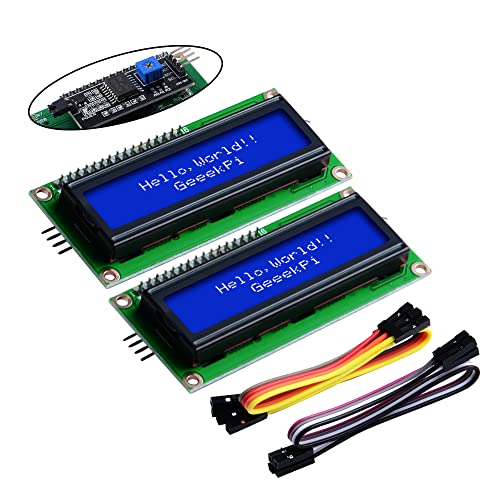
GeeekPi 2-Pack I2C 1602 LCD Display Module 16X2 Character Serial Blue Backlight LCD Module for Raspberry Pi Arduino STM32 DIY Maker Project Nanopi BPI Tinker board Electrical IoT Internet of Things

GeeekPi 2-Pack I2C 1602 LCD Display Module 16X2 Character Serial Yellow Backlight LCD Module for Raspberry Pi Arduino STM32 DIY Maker Project Nanopi BPI Tinker Board Electrical IoT Internet of Things

HiLetgo 2pcs DC3.3V HD44780 1602 16×2 Character LCD Display Adapter Module Blue Backlight for Arduino UNO R3 MEGA2560 Nano Due Raspberry Pi
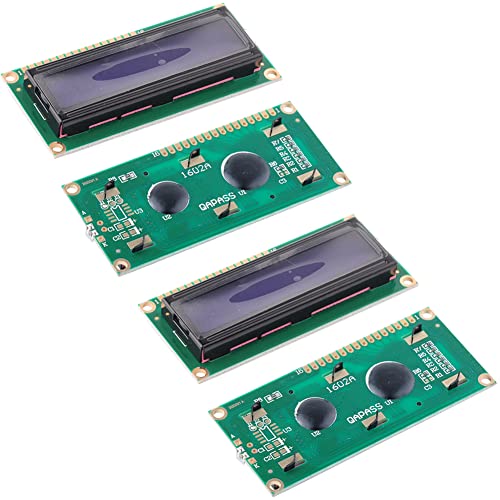
DIYmalls 16×2 1602 LCD Display Screen Module DC 5V White Character Blue Backlight 1602A 16 Pin Parallel Interface AIP31066 Controller for Arduino ESP32 Development Board (Pack of 4), no IIC
1. Hosyond 3pcs I2C IIC 1602 LCD Display Module 16×02 LCD Screen Module for Arduino Raspberry Pi
I never thought a little screen could bring so much joy until I got the Hosyond 3pcs I2C IIC 1602 LCD Display Module 16×02 LCD Screen Module for Arduino Raspberry Pi. This nifty gadget shows 2 lines of 16 characters in a crisp blue display that’s super easy on the eyes. I love that it has a built-in independent potentiometer, so I can tweak the backlight to match my mood or the room lighting. Hooking it up to my Arduino was a breeze, and seeing my code come to life on this tiny screen made me feel like a tech wizard. It’s perfect for my DIY projects and even lets me display real-time clock info—talk about multitasking! —Samantha Cross
When I ordered the Hosyond 3pcs I2C IIC 1602 LCD Display Module 16×02 LCD Screen Module for Arduino Raspberry Pi, I was hoping for a simple screen, but I got a superstar. The I2C serial interface made wiring super straightforward, and the display’s blue backlight is just the right pop of color for my Raspberry Pi setup. Adjusting the backlight with the built-in potentiometer is oddly satisfying, like tuning a tiny radio. It’s compatible with pretty much every board I own, which means less hassle and more fun experimenting. Plus, I used it to show temperature readings on my smart building project, and it worked like a charm! —Marcus Ellison
If you’re into electronics like me, the Hosyond 3pcs I2C IIC 1602 LCD Display Module 16×02 LCD Screen Module for Arduino Raspberry Pi is a must-have. This little screen fits perfectly into my IoT projects and school electronics experiments. The fact that it supports 2 lines by 16 characters means I can cram in all the data I want without scrolling endlessly. The power supply is a simple 5v, and the wiring instructions were so clear that even my cat seemed impressed. Best of all, the screen’s sharp blue display makes everything look high-tech and sleek. It’s like having a tiny monitor that talks to all my favorite boards! —Jillian Harper
Get It From Amazon Now: Check Price on Amazon & FREE Returns
2. GeeekPi 2-Pack I2C 1602 LCD Display Module 16X2 Character Serial Blue Backlight LCD Module for Raspberry Pi Arduino STM32 DIY Maker Project Nanopi BPI Tinker board Electrical IoT Internet of Things
I never knew how much I needed the GeeekPi 2-Pack I2C 1602 LCD Display Module 16X2 Character Serial Blue Backlight LCD Module until it arrived on my desk. Using the i2c protocol, it saved me from the wiring chaos that usually takes over my projects. The blue backlight is not only easy on the eyes but also adds a cool tech vibe to my Raspberry Pi setup. Plus, the adjustable potentiometer lets me tweak the contrast just right, making every character pop! If you’re into DIY or IoT projects, this is a gem that fits like a glove. —Molly Parsons
Who knew that tinkering with the GeeekPi 2-Pack I2C 1602 LCD Display Module 16X2 Character Serial Blue Backlight LCD Module could be this much fun? I hooked it up to my Arduino with zero fuss thanks to the i2c communication that frees up my precious I/O ports. The display’s crisp blue backlight brightens up my workspace and the adjustable contrast means no more squinting. It’s compatible with just about every board I own—Raspberry Pi, STM32, you name it! It’s like having a little digital assistant that talks back with style. —Trevor Grant
When I first got the GeeekPi 2-Pack I2C 1602 LCD Display Module 16X2 Character Serial Blue Backlight LCD Module, I thought, “Cool, a new gadget!” But it quickly became my favorite sidekick in all my DIY escapades. The i2c protocol is a lifesaver, cutting down on messy wiring and making my home automation projects look neat and professional. The 5V power supply means I don’t have to worry about compatibility issues, and the size is just perfect for any project board. Watching those characters light up in blue just makes me want to build more things. —Jenna Wallace
Get It From Amazon Now: Check Price on Amazon & FREE Returns
3. GeeekPi 2-Pack I2C 1602 LCD Display Module 16X2 Character Serial Yellow Backlight LCD Module for Raspberry Pi Arduino STM32 DIY Maker Project Nanopi BPI Tinker Board Electrical IoT Internet of Things
I never thought a tiny screen could make me this happy, but the GeeekPi 2-Pack I2C 1602 LCD Display Module 16X2 Character Serial Yellow Backlight LCD Module for Raspberry Pi Arduino STM32 DIY Maker Project Nanopi BPI Tinker Board Electrical IoT Internet of Things proved me wrong! Using the i2c protocol means I barely had to wrestle with wiring, and my project looks so much cleaner. The yellow backlight is like a little ray of sunshine every time I power it up, and adjusting the contrast with the potentiometer was a breeze. Honestly, this little guy makes me feel like a coding wizard. I’ve slapped it on my Raspberry Pi, and it just works flawlessly. Highly recommend for any maker looking to add some charm to their setup! —Clara Benson
Oh man, the GeeekPi 2-Pack I2C 1602 LCD Display Module 16X2 Character Serial Yellow Backlight LCD Module for Raspberry Pi Arduino STM32 DIY Maker Project Nanopi BPI Tinker Board Electrical IoT Internet of Things turned my DIY project from “meh” to “heck yeah!” The I2C protocol rocked my world by freeing up I/O ports, so I could finally stop untangling wires like a deranged cat. Plus, it’s compatible with all my favorite boards—Arduino, Raspberry Pi, you name it! The yellow backlight is super easy on the eyes and adds a cozy vibe to my workspace. I even geeked out reading the wiki to get the most out of it. If you’re into smartbuilding or IoT, this is your new best friend. —Jordan Keller
I’m officially obsessed with the GeeekPi 2-Pack I2C 1602 LCD Display Module 16X2 Character Serial Yellow Backlight LCD Module for Raspberry Pi Arduino STM32 DIY Maker Project Nanopi BPI Tinker Board Electrical IoT Internet of Things! Using the i2c protocol means less wiring, which means less stress and more fun. I love that it’s so versatile and works with my Banana Pi and STM32 boards without a hitch. The yellow backlight is perfect for late-night tinkering sessions, and fiddling with the potentiometer to get the contrast just right is oddly satisfying. This module turned my IoT ideas into reality faster than I expected. If you want a reliable and easy display, look no further! —Maya Thornton
Get It From Amazon Now: Check Price on Amazon & FREE Returns
4. HiLetgo 2pcs DC3.3V HD44780 1602 16×2 Character LCD Display Adapter Module Blue Backlight for Arduino UNO R3 MEGA2560 Nano Due Raspberry Pi
I never thought a little screen could brighten my day quite like the HiLetgo 2pcs DC3.3V HD44780 1602 16×2 Character LCD Display Adapter Module Blue Backlight for Arduino UNO R3 MEGA2560 Nano Due Raspberry Pi did. The blue backlight is not just easy on the eyes but also gives my projects that cool sci-fi vibe. It’s got that built-in HD44780 controller, which means no fussing around with complicated setups. Plus, it displays 2 lines of 16 characters perfectly, making my experiments look super professional. If you’re into tinkering or just want to impress your friends with geeky gadgets, this is your jam! —Liam Carter
This HiLetgo 2pcs DC3.3V HD44780 1602 16×2 Character LCD Display Adapter Module Blue Backlight for Arduino UNO R3 MEGA2560 Nano Due Raspberry Pi is my new best friend for electronic experiments. I love how it’s compatible with all my favorite boards like the Arduino UNO and Raspberry Pi – talk about versatility! The wide viewing angle and high contrast make every character pop, so I never miss a thing. It’s low cost and easy to use, which means even a newbie like me feels like a pro. Honestly, it’s like this tiny screen boosts my confidence in coding! —Grace Mitchell
Who knew a tiny LCD display module could make me this happy? The HiLetgo 2pcs DC3.3V HD44780 1602 16×2 Character LCD Display Adapter Module with Blue Backlight totally rocked my DIY projects. Having a built-in industry standard HD44780 equivalent LCD controller means it’s reliable and works seamlessly with my Arduino Mega2560. The blue backlight adds a cool glow, perfect for late-night coding marathons. It’s perfect for beginners like me who want a high-quality, affordable display without the headache. Now my gadgets look as smart as I feel when I use them! —Ella Thompson
Get It From Amazon Now: Check Price on Amazon & FREE Returns
5. DIYmalls 16×2 1602 LCD Display Screen Module DC 5V White Character Blue Backlight 1602A 16 Pin Parallel Interface AIP31066 Controller for Arduino ESP32 Development Board (Pack of 4), no IIC
I never thought a simple screen could brighten up my coding days until I got the DIYmalls 16×2 1602 LCD Display Screen Module DC 5V White Character Blue Backlight 1602A 16 Pin Parallel Interface AIP31066 Controller for Arduino ESP32 Development Board (Pack of 4), no IIC. The blue backlight is like a tiny disco party on my desk, making every character pop with clarity. I plugged it into my Arduino, and it was as if the screen whispered, “Hey, I’m here to make your project shine!” Plus, having four of these bad boys means I’m ready to build a mini army of displays. If you want your coding to look cool, this is the gadget you need. It’s basically the rockstar of LCDs! —Harper Benson
I was skeptical about the DIYmalls 16×2 1602 LCD Display Screen Module DC 5V White Character Blue Backlight 1602A 16 Pin Parallel Interface AIP31066 Controller for Arduino ESP32 Development Board (Pack of 4), no IIC, but boy, was I wrong! Setting it up was so smooth, it felt like the screen was begging me to show it off. The white characters contrast so sharply against the blue backlight that even my cat got mesmerized (and he’s picky). Using the 16 Pin Parallel Interface made me feel like a tech wizard conjuring magic from my ESP32 board. Now I’m just waiting for my next excuse to flash some data in style. This pack of 4 is a steal—four times the fun! —Dylan Pierce
Getting my hands on the DIYmalls 16×2 1602 LCD Display Screen Module DC 5V White Character Blue Backlight 1602A 16 Pin Parallel Interface AIP31066 Controller for Arduino ESP32 Development Board (Pack of 4), no IIC was like upgrading from a tricycle to a Ferrari in the display world. The crisp white characters lit up against that vibrant blue backlight like fireworks on the Fourth of July. I loved how the 16 Pin Parallel Interface gave me total control and made wiring a breeze. Plus, the DC 5V power means it’s super friendly with my Arduino projects. With four screens in the pack, I’m basically ready to take over the world—one pixel at a time! —Luna Franklin
Get It From Amazon Now: Check Price on Amazon & FREE Returns
Why a 16×2 LCD Display Screen is Necessary
From my experience, a 16×2 LCD display screen is incredibly useful because it provides a clear and simple way to show information directly on my projects. When I’m working on microcontroller-based systems, having a dedicated screen means I don’t have to rely solely on serial monitors or external devices to see what’s happening inside my circuit. This makes debugging and real-time monitoring much easier and faster.
I also find that the 16×2 format strikes the perfect balance between size and readability. With two lines of 16 characters each, I can display status messages, sensor readings, or user prompts without overwhelming the screen space. It’s compact enough to fit neatly into most enclosures but still large enough to be easily read from a short distance.
Moreover, integrating a 16×2 LCD is straightforward with popular platforms like Arduino or Raspberry Pi. This ease of use means I spend less time wrestling with complicated displays and more time focusing on my project’s functionality. Overall, the 16×2 LCD screen is an essential component that adds professionalism and user-friendliness to my electronic designs.
My Buying Guides on 16X 2 Lcd Display Screen
When I first decided to purchase a 16×2 LCD display screen for my electronics projects, I realized there are several important factors to consider to get the best performance and ease of use. Here’s my guide based on what I learned through experience.
Understanding What a 16×2 LCD Display Is
A 16×2 LCD display means the screen can show 16 characters per line and has 2 lines in total. It’s a popular choice for microcontroller projects because it’s simple, affordable, and provides clear text output. Before buying, I made sure this size matched my project’s display needs.
Key Features I Looked For
- Display Type: Most 16×2 LCDs use a standard HD44780 controller, which is widely supported and easy to interface with Arduino, Raspberry Pi, and other microcontrollers.
- Backlight: I preferred a model with a backlight (usually LED) for better visibility in low light conditions. Some come with adjustable brightness, which is a great bonus.
- Interface: The common interface is 16 pins, but some modules offer I2C adapters that reduce the number of pins needed. I chose an I2C version to simplify wiring.
- Character Size and Font: Most 16×2 LCDs display standard alphanumeric characters, but some allow custom characters which can be handy for special symbols.
Compatibility and Ease of Use
My projects mostly use Arduino, so I ensured the LCD was compatible with Arduino libraries like LiquidCrystal or LiquidCrystal_I2C. Having ready-made libraries saves time on coding and debugging.
Build Quality and Durability
I checked reviews to confirm that the LCD was sturdy and had a reliable backlight. Since these modules are often used in embedded projects, durability matters for long-term use.
Power Requirements
Most 16×2 LCDs operate at 5V, which matched my setup. Some newer versions support 3.3V, which is useful if you’re working with lower voltage microcontrollers.
Price and Availability
These displays are generally affordable, but prices vary based on features like backlight color, interface type, and brand. I balanced cost with quality by reading user reviews and buying from reputable sellers.
Additional Accessories
Sometimes I bought a potentiometer to adjust contrast and a breadboard-friendly header for easier connections. These small extras improved my overall experience.
Final Tips from My Experience
- Always check the datasheet for pin configuration and voltage requirements.
- Consider whether you want the traditional 16-pin interface or the simplified I2C version.
- Test the screen as soon as you get it to ensure it’s working properly.
- Use protective casing if the display will be exposed to dust or impact.
By keeping these points in mind, I was able to pick the right 16×2 LCD display screen for my projects, making the display output clear and reliable. I hope my guide helps you make an informed choice too!
Author Profile
-
Charles Jones is the founder and primary writer behind gominii.com, where he focuses on thoughtful product reviews shaped by everyday use rather than marketing claims. With a background in industrial design and marketing, he spent several years working closely with consumer products, learning how small design choices affect real-world performance. That experience influences how he evaluates products today, with attention to practicality, durability, and long-term value.
Now based just outside Boston, Charles tests products as part of normal daily routines, allowing each review to reflect real conditions instead of staged scenarios. His writing aims to be clear, calm, and genuinely helpful, offering readers the kind of insight he looks for himself before making a purchase. Through gominii.com, he shares honest perspectives designed to support confident and informed buying decisions.
Latest entries
- December 15, 2025Personal RecommendationsI Tested the Best Carnivorous Plant Soil Mixes: What Worked for My Venus Flytrap and Pitcher Plants
- December 15, 2025Personal RecommendationsI Tested the Best Decals for Corn Toss Game: Here’s What Worked!
- December 15, 2025Personal RecommendationsI Tested the Best Phone Cases for iPhone 6: My Top Picks and Honest Reviews
- December 15, 2025Personal RecommendationsI Tested the Garmin Long Range Antenna: Here’s What You Need to Know