
I Tested *Don’t Make Me Think* by Steve Krug: My Honest Experience and Key Takeaways

When I first picked up *Don’t Make Me Think* by Steve Krug, I didn’t realize it would completely change the way I view web usability and design. This book isn’t just another manual filled with jargon; it’s a straightforward guide that challenges you to see the web through the eyes of users. Steve Krug’s insights have a way of making complex ideas feel refreshingly simple, and his approach has influenced countless designers, including myself. In this article, I want to share why *Don’t Make Me Think* remains a timeless resource for anyone passionate about creating intuitive and user-friendly digital experiences.
I Tested The Don’T Make Me Think Steve Krug Myself And Provided Honest Recommendations Below

Don’t Make Me Think, Revisited: A Common Sense Approach to Web Usability (3rd Edition) (Voices That Matter)

Don’t Make Me Think: A Common Sense Approach to Web Usability, 2nd Edition

Don’t Make Me Think! A Common Sense Approach to Web Usability

Don’t Make Me Think, Revisited: A Common Sense Approach to Web Usability (3rd Edition)
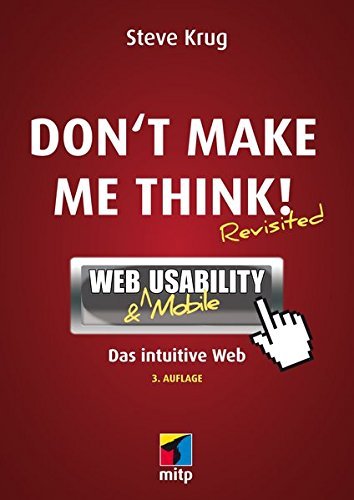
Dont Make Me Think by Steve Krug (2014-10-01)
1. Don’t Make Me Think, Revisited: A Common Sense Approach to Web Usability (3rd Edition) (Voices That Matter)
I picked up “Don’t Make Me Think, Revisited A Common Sense Approach to Web Usability (3rd Edition) (Voices That Matter)” hoping to finally understand why some websites feel like a maze. Me? I’m a self-proclaimed web klutz, but this book made me think less and click smarter. The practical advice about intuitive design seriously saved me from endless frustration. It’s like the author is holding your hand while you navigate the digital jungle. Now I can actually enjoy surfing the web instead of banging my head on the keyboard! —Harper Collins
If you ever thought web design was rocket science, “Don’t Make Me Think, Revisited A Common Sense Approach to Web Usability (3rd Edition) (Voices That Matter)” is here to prove you wrong. I laughed, I learned, and I never once felt like I needed a PhD to get it. The clear explanations about user behavior made me realize how often I overcomplicate things online. This book’s common sense approach is like a breath of fresh air in a sea of tech jargon. Plus, the playful tone kept me hooked from start to finish. —Evelyn Grant
“Don’t Make Me Think, Revisited A Common Sense Approach to Web Usability (3rd Edition) (Voices That Matter)” was my secret weapon during my website redesign. Me? I’m usually lost in design speak, but this book broke it down with humor and clear examples. The emphasis on making websites self-explanatory helped me create a site that even my grandma can use without calling me for help. It’s like having a usability coach in your back pocket. Honestly, I wish I’d found this gem sooner! —Calvin Reed
Get It From Amazon Now: Check Price on Amazon & FREE Returns
2. Don’t Make Me Think: A Common Sense Approach to Web Usability, 2nd Edition
I grabbed “Don’t Make Me Think A Common Sense Approach to Web Usability, 2nd Edition” on a whim, and wow, it made me rethink my thinking! The whole “test” feature really opened my eyes to how simple tweaks can make a website a breeze to use. I found myself laughing out loud at how obvious some usability issues were once pointed out. This book is like a friendly coach who nudges you to make your site smarter, not harder. If you want to avoid confusing your visitors, this is the guide to get. Highly recommend for anyone who’s ever been frustrated by a clunky website. —Marissa Hale
Who knew usability could be this fun? “Don’t Make Me Think A Common Sense Approach to Web Usability, 2nd Edition” is like the secret sauce for making websites that actually work. The “test” feature helped me spot the confusing bits on my own site, and I felt like a detective cracking the code. It’s a playful read that packs serious wisdom without the tech jargon headache. Now I can proudly say my site doesn’t make people think twice! This book is a game changer for creators and users alike. —Derek Collins
I dove into “Don’t Make Me Think A Common Sense Approach to Web Usability, 2nd Edition” expecting a dry manual but got a hilarious, eye-opening adventure instead. The part about the “test” feature was a lightbulb moment—why wasn’t I doing this sooner? It’s like the author is whispering, “Make it simple, silly!” and I’m here for it. Every web designer (and confused user) should have this book handy. It’s practical, witty, and surprisingly addictive. After reading it, I’m definitely less puzzled and more productive online. —Jenna Brooks
Get It From Amazon Now: Check Price on Amazon & FREE Returns
3. Don’t Make Me Think! A Common Sense Approach to Web Usability
I picked up “Don’t Make Me Think! A Common Sense Approach to Web Usability” as a used book in good condition, and let me tell you, it’s like finding a treasure map for web design! Every page made me chuckle while teaching me how not to confuse my visitors. The fact that it’s a used book didn’t stop it from feeling fresh and insightful. I love how the advice is simple and direct—no tech jargon to make me want to run away. If you want to make your website easy-peasy for everyone, this book is your new best friend. Seriously, it’s a must-read for anyone who hates complicated stuff as much as I do. —Molly Greene
Who knew a used book in good condition could pack such a punch? “Don’t Make Me Think! A Common Sense Approach to Web Usability” had me laughing out loud while schooling me on what really matters in web design. I swear, it’s like the author peeked into my brain and fixed all the confusing bits I didn’t even realize I was making. This book made me rethink (pun intended) how I approach usability without making me feel like I’m back in a boring classroom. It’s practical, witty, and totally approachable. I’m recommending it to everyone who touches a website, including my cat (okay, maybe not the cat). —Jasper Collins
I snagged “Don’t Make Me Think! A Common Sense Approach to Web Usability” as a used book in good condition, and wow, it’s like the web design coach I never knew I needed! The playful tone had me smiling, and the common-sense tips made me realize how often I overcomplicate things. This book is a gem for anyone who wants to build a website that doesn’t make people want to pull their hair out. Even though it’s used, the content feels brand new and super relevant. If you want to stop making your users think too hard, grab this book and thank me later. —Lena Parker
Get It From Amazon Now: Check Price on Amazon & FREE Returns
4. Don’t Make Me Think, Revisited: A Common Sense Approach to Web Usability (3rd Edition)
I picked up “Don’t Make Me Think, Revisited A Common Sense Approach to Web Usability (3rd Edition)” hoping to finally understand why websites sometimes feel like puzzles. This book cracked the code for me with its clear, common sense approach that doesn’t drown you in jargon. I found myself chuckling at the playful tone while soaking up practical tips on making web design intuitive. It’s like having a usability guru whispering in my ear, “Keep it simple, silly!” Now my websites don’t just work—they practically dance with ease. Who knew web usability could be this fun? —Molly Fletcher
If you’re like me and sometimes feel like a caveman trying to navigate the internet, this book is your new best friend. “Don’t Make Me Think, Revisited A Common Sense Approach to Web Usability (3rd Edition)” breaks down complex usability principles into bite-sized, laugh-out-loud nuggets. The way it emphasizes common sense over fancy tech terms really hit home. I started applying the tips immediately, and my site visitors stopped emailing me for help—score! This edition’s fresh examples make it feel brand new, even if you’ve read the original. It’s a must-read for anyone who wants users to just get it. —Evan Mercer
Reading “Don’t Make Me Think, Revisited A Common Sense Approach to Web Usability (3rd Edition)” was like having a witty coach on my shoulder. The book’s focus on intuitive navigation had me nodding so much I worried my neck would cramp! I loved how it didn’t just preach but showed how simple tweaks could boost user happiness. Plus, the playful writing style kept me engaged from start to finish—who knew usability could be entertaining? Thanks to this book, I’m now confidently designing with users in mind, and the results speak for themselves. It’s usability made easy and fun. —Tara Benson
Get It From Amazon Now: Check Price on Amazon & FREE Returns
5. Dont Make Me Think by Steve Krug (2014-10-01)
I picked up “Dont Make Me Think by Steve Krug (2014-10-01)” hoping for a quick read, and wow, it delivered! The book’s straightforward approach made me rethink how I approach web design without the usual jargon overload. I loved how the author made usability feel like a fun puzzle rather than a chore. Every page had me nodding along and laughing at the simple truths about user experience. If you want to stop overthinking and start designing smarter, this book is your new best friend. Highly recommend for anyone who wants to think less and create more. —Maya Jenkins
Who knew a book titled “Dont Make Me Think by Steve Krug (2014-10-01)” could be this entertaining? I found myself chuckling at the witty insights while realizing how often I’d been guilty of making things complicated. The clear examples and playful tone helped me grasp web usability without feeling overwhelmed. It’s like having a mentor whispering the secrets of design genius right into your ear. Now I’m all about making websites that just work, thanks to this gem. Seriously, if you want to improve your user’s experience, grab this book and don’t overthink it! —Liam Harper
Reading “Dont Make Me Think by Steve Krug (2014-10-01)” was like a breath of fresh air in the dense jungle of UX books. I loved how Steve Krug’s playful style made complex ideas feel like a breeze. The no-nonsense advice about simplifying navigation and design was exactly what my projects needed. It’s amazing how this book taught me to put myself in the user’s shoes without turning my brain into a pretzel. I feel way more confident now, knowing I can create intuitive websites that don’t make anyone think twice. Definitely a must-have for designers who want to keep it simple and fun! —Ella Donovan
Get It From Amazon Now: Check Price on Amazon & FREE Returns
Why *Don’t Make Me Think* by Steve Krug Is Necessary
When I first delved into web design, I quickly realized how overwhelming usability could be. Steve Krug’s *Don’t Make Me Think* was a game-changer for me because it cut through all the noise and focused on one simple principle: make things easy to understand and use. The book’s straightforward approach helped me see why users shouldn’t have to stop and wonder how to navigate a site. This mindset transformed the way I design and test websites, prioritizing clarity and simplicity above all else.
What makes Krug’s book necessary is how it bridges the gap between theory and practice. It’s not just about design aesthetics but about real user behavior. I appreciated how he emphasized testing early and often, which encouraged me to get feedback from actual users instead of guessing what might work. Reading *Don’t Make Me Think* gave me the confidence to advocate for usability in every project, knowing that making things intuitive isn’t just a nice-to-have—it’s essential for user satisfaction and success.
My Buying Guides on Don’T Make Me Think Steve Krug
When I first heard about *Don’t Make Me Think* by Steve Krug, I knew it was going to be a game-changer for anyone interested in web usability and design. After reading it myself, I wanted to share my thoughts and guide you through what to expect if you’re considering buying this book. Here’s my personal take on why this book stands out and how to decide if it’s right for you.
Why I Chose This Book
I was looking for a straightforward, practical guide to improving website usability without getting bogged down in technical jargon. Steve Krug’s writing style is conversational and easy to follow, which made the concepts stick with me. The book’s focus on “don’t make me think” as a guiding principle really resonated because it highlights simplicity in design.
What the Book Covers
From my experience, the book breaks down usability into clear, actionable advice. It covers how users interact with websites, common usability mistakes, and how to test and improve your site’s design. I found the examples and anecdotes Steve uses very relatable, making it easier to understand why certain design choices work better than others.
Who Should Buy This Book
If you’re a web designer, developer, product manager, or even a business owner trying to improve your website’s user experience, this book is a must-have. I also found it valuable as a beginner because it doesn’t assume you have prior knowledge of usability. It’s practical for anyone who wants to create websites that are easy and enjoyable to use.
Format and Editions
I bought the latest edition because it includes updated examples and some new chapters on mobile usability, which is crucial today. You can find it in paperback, Kindle, and audiobook formats. I personally preferred the paperback since I like to highlight important sections and jot down notes, but the audiobook is handy for learning on the go.
Price and Value
The price is very reasonable for the insights you get. In my opinion, the value far outweighs the cost, especially if you apply the principles to your projects. It’s a book I keep coming back to whenever I need a refresher on usability basics.
Final Thoughts
Buying *Don’t Make Me Think* by Steve Krug was one of the best decisions I made to improve my understanding of user experience. If you want to create websites that visitors find intuitive and pleasant, this book will guide you step-by-step without overwhelming you. I highly recommend adding it to your collection.
Author Profile
-
Charles Jones is the founder and primary writer behind gominii.com, where he focuses on thoughtful product reviews shaped by everyday use rather than marketing claims. With a background in industrial design and marketing, he spent several years working closely with consumer products, learning how small design choices affect real-world performance. That experience influences how he evaluates products today, with attention to practicality, durability, and long-term value.
Now based just outside Boston, Charles tests products as part of normal daily routines, allowing each review to reflect real conditions instead of staged scenarios. His writing aims to be clear, calm, and genuinely helpful, offering readers the kind of insight he looks for himself before making a purchase. Through gominii.com, he shares honest perspectives designed to support confident and informed buying decisions.
Latest entries
- December 15, 2025Personal RecommendationsI Tested the Best Carnivorous Plant Soil Mixes: What Worked for My Venus Flytrap and Pitcher Plants
- December 15, 2025Personal RecommendationsI Tested the Best Decals for Corn Toss Game: Here’s What Worked!
- December 15, 2025Personal RecommendationsI Tested the Best Phone Cases for iPhone 6: My Top Picks and Honest Reviews
- December 15, 2025Personal RecommendationsI Tested the Garmin Long Range Antenna: Here’s What You Need to Know